Podcast and YouTube clipping services in India: costs compared
A podcast clipping service in India cuts your long videos into Reels and Shorts. A salaried editor averages ₹18,590 a month, one Indian reels agency charges ₹8,000 to ₹25,000 for 4 to 12 reels, and a clipping network charges per 1,000 views across many pages. Only the network buys views, not just clips.
What does a podcast clipping service do?
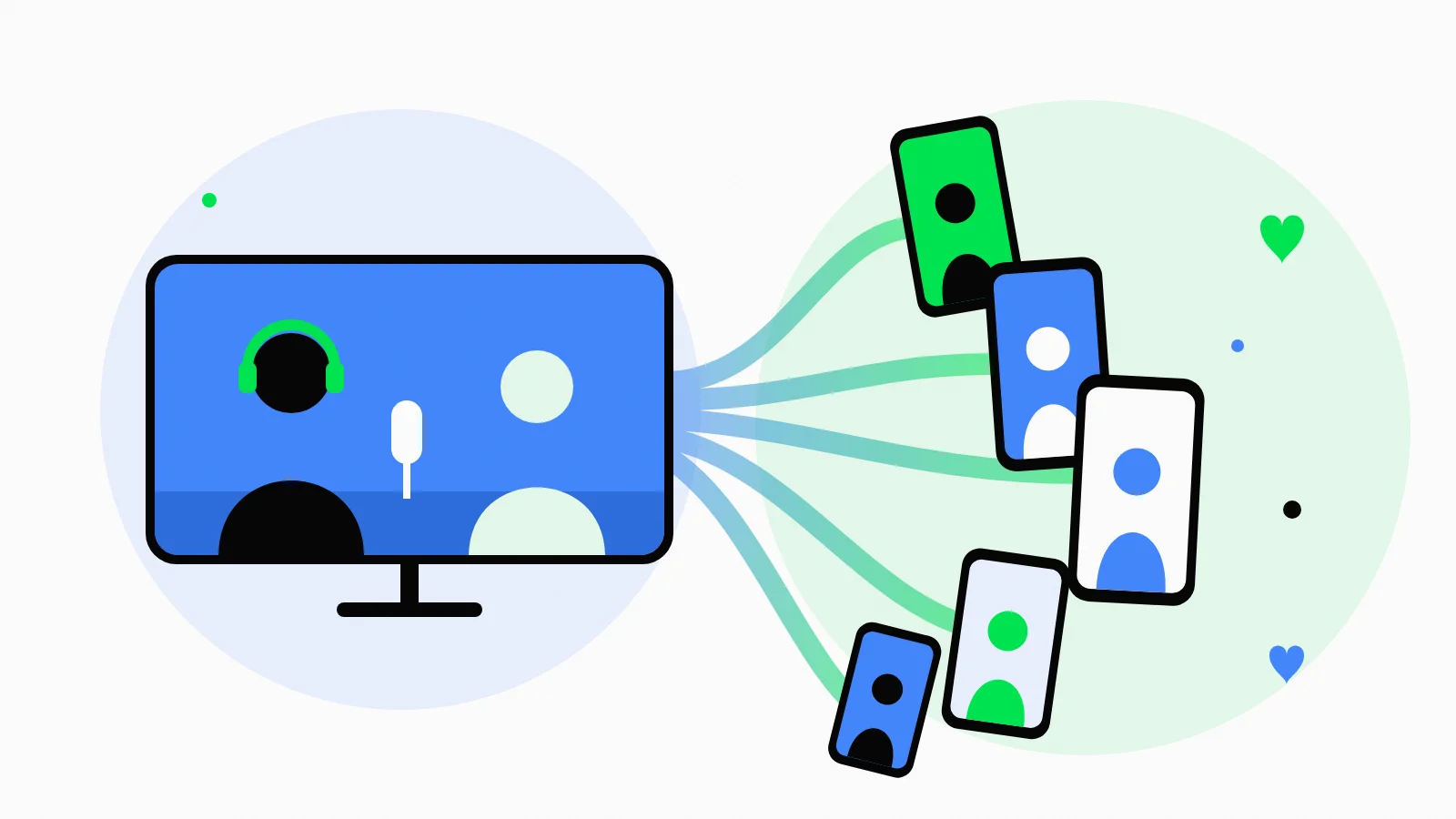
A podcast clipping service turns your long videos into short vertical clips for Instagram Reels and YouTube Shorts. In India it comes in three shapes: an editor who cuts clips for your own account, an agency that cuts and often posts them for a monthly fee, and a clipping network that posts your clips across many accounts and charges per 1,000 views.
All three start the same way. Someone watches your episode, finds the moments that stand alone (a strong opinion, a story, a number that surprises), cuts them to vertical, adds captions and a hook, and sends them back. What changes is who posts the clip and what you pay for:
| Model | Who cuts | Who posts | What you pay for |
|---|---|---|---|
| Freelance or salaried editor | The editor | You, on your own handle | Hours, clips or a monthly salary |
| Agency on retainer | The agency | You, or the agency on your handle | A fixed number of clips a month |
| AI clipping tool | Software, then you | You | A monthly subscription |
| Clipping network | The network or its creators | Many pages in many niches | Views, per 1,000 |
The first three buy you clips. Only the last one buys you views. That difference decides almost everything else in this guide, from price to how you judge results.
Should clips go on your own account or across many pages?
Clips posted only on your own account reach mostly people who already follow you, plus whoever the algorithm tests them on. Clips posted across many niche pages reach audiences that have never heard of you, which is the point if you want new viewers for your channel or podcast.
Your own account is the right home when you already have a large following and want to keep it fed. A network of pages is the right home when your channel is stuck: the long videos are good, but nobody new is finding them. Many channels do both, posting the best clips themselves and sending the rest out wide.
Two platform rules shape this choice:
- A Short on someone else's channel cannot link to your long video. YouTube's related video link on a Short only lets the uploader pick a video from their own channel, so on another channel your name in the caption or on screen does the work.
- Instagram Collabs can put a page's clip on your profile too. A post can carry up to 5 collaborators, and an accepted invite shows the post on the collaborator's profile and to their followers. Ask any network whether its pages can invite you.
How much does a podcast clipping service cost in India?
A podcast clipping service in India costs anything from a few thousand rupees a month for a part time editor to ₹50,000 a month or more for guaranteed distribution. The table below lists prices we read on each source on 14 November 2026. Most are one seller's own price, not a market average.
| Option | Published price | What you get | Source, read 14 Nov 2026 |
|---|---|---|---|
| Salaried video editor | ₹18,590 a month on average, typical range ₹9,670 to ₹35,739 | Clips for your own account, plus other editing | Indeed India, updated 25 May 2026 |
| Salaried video editor | ₹3.9 lakh to ₹4.4 lakh a year typical | Same | AmbitionBox, updated 14 Nov 2026 |
| Part time reels editor | ₹5,000 to ₹10,000 a month | A remote listing for reels and trend edits | Indeed India |
| Freelancer per clip (one Fiverr seller in India) | ₹24,738 for 10 podcast clips | Clips only, you post | Fiverr gig |
| Indian reels agency (Hyper Hive Media) | ₹8,000 a month for 4 reels, ₹25,000 for 12 | Editing and captions; posting only on the top plan | Hyper Hive Media |
| US podcast host's clip service (Castos) | $990 a month | 4 clips per episode, posted to your accounts | Castos |
| AI clipping tool (OpusClip) | From $15 a month, free plan with a watermark | Software suggests clips; you choose and post | OpusClip pricing |
| Clipping network (Musubi for channels) | ₹50 per 1,000 views, guaranteed; from ₹50,000 a month | Clips posted across 10 or more niche Instagram pages, 10 lakh views on the smallest plan | musubiclip.com/channels |
The editor, agency and tool prices tell you what the clips cost to make. They tell you nothing about how many people will see them. A network's price per 1,000 views is the only one in the table that is already a cost per view.
If you would rather set your own rate and let clippers cut from your footage and post on their own accounts, that is a clipping campaign. What clipping costs per 1,000 views and how to run a clipping campaign cover that route step by step.
Retainer, editor or per 1,000 views: which is cheaper?
A retainer or an editor is cheaper per view only if your own clips already get a lot of views. The way to check is to work out how many views a month a fixed fee must buy to match a price per 1,000 views.
For example, to match ₹50 per 1,000 views, the published /channels price:
| Monthly cost | Option | Views a month needed to equal ₹50 per 1,000 |
|---|---|---|
| ₹8,000 | Agency, 4 reels | 1,60,000, or 40,000 a reel |
| ₹18,590 | Average salaried editor | 3,71,800 |
| ₹24,738 | 10 freelance clips | 4,94,760, or about 49,476 a clip |
| ₹25,000 | Agency, 12 reels | 5,00,000, or about 41,667 a reel |
| ₹50,000 | Network, 10 pages | 10,00,000, guaranteed on the plan |
The arithmetic is monthly cost ÷ ₹50 × 1,000. Open your Instagram or YouTube insights and look at what your last 10 clips actually got. If they average well above the per clip figure in the table, making clips cheaply and posting them yourself is the better deal. If they average far below it, the problem is reach, not editing, and paying for better edits alone will not fix it.
What should you hand over to a clipping service?
Hand over the source video, the rules and one person who can say yes. A service that has those three can start the same week; a service missing them sends clips you cannot use.
- The source. The highest quality file you have, or an unlisted YouTube link if the file is too large. For a podcast, separate camera angles and clean audio make sharper clips than a single wide shot.
- Timestamps you already like. If you remember the moment the guest said something sharp, write it down with the time. It saves the editor an hour and shows what you count as a good clip.
- A written permission. One line saying the service and its pages may cut and post clips from named episodes. If a guest appears, make sure your guest agreed to clips being made. Our guide to whose videos can legally be clipped explains why written permission matters.
- Brand rules. Your handle and show name as you want them credited, any words or topics that are off limits, whether captions should be Hindi, English or Hinglish, and any sponsor who must not be cut out.
- An approver. One person who replies within a day. Clips lose their moment if they wait a week for a yes.
Never hand over the password to your YouTube or Instagram account. An editor needs files, not access. If an agency posts on your handle, give it a team or manager role the platform provides, so you can remove it later.
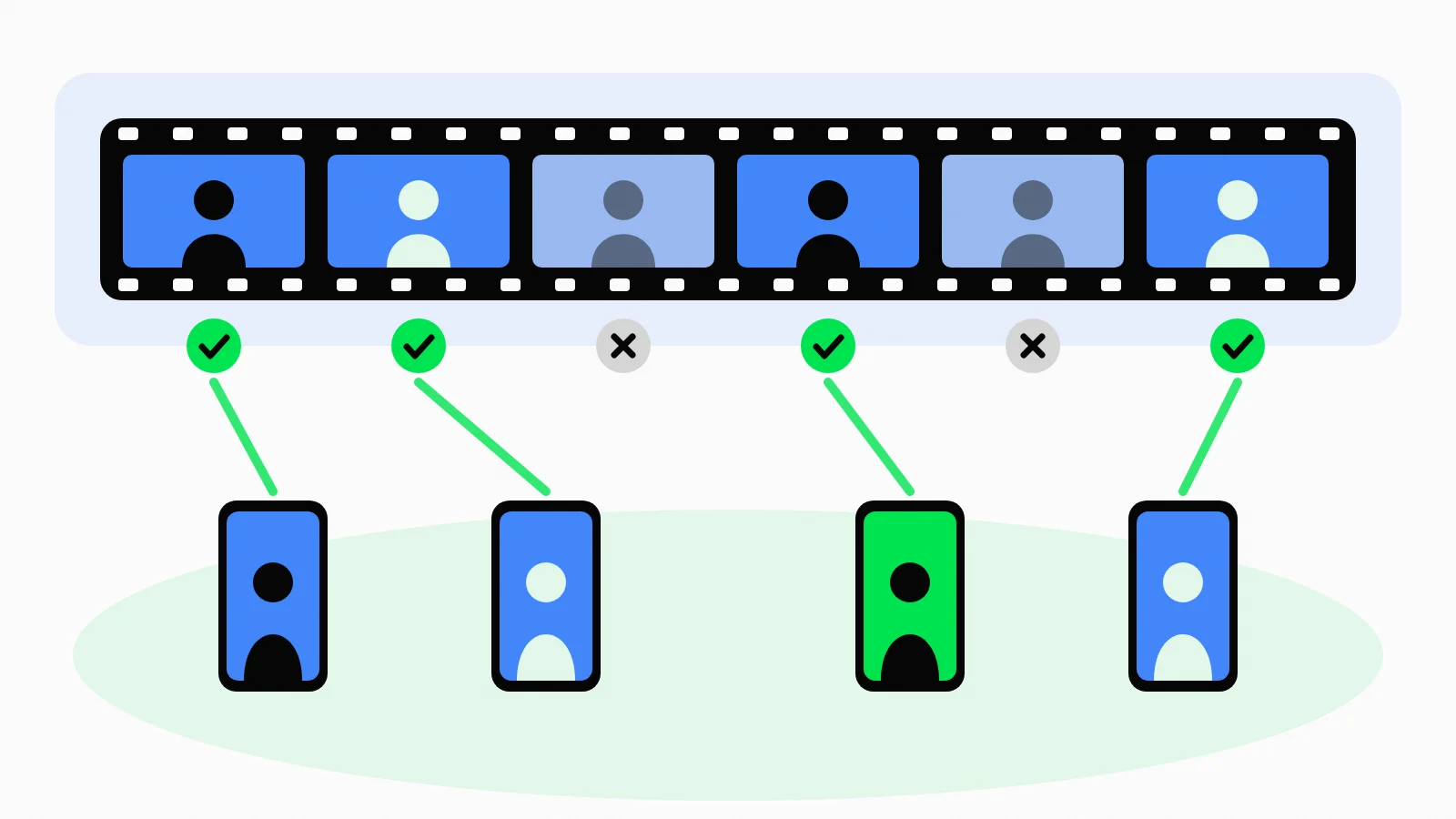 Approve every clip before it posts. A cut you would not put on your own channel should not go out under your name.
Will clips on other pages cause copyright trouble for you?
Clips on other pages do not cause copyright trouble for you when you gave those pages permission; the risk is your own protection tools flagging them. Tell anyone who manages your copyright settings which accounts are licensed before the first clip goes out.
On YouTube, Content ID is given only to owners who prove exclusive rights. The tool YouTube Partner Program channels get instead, the Copyright Match Tool, scans for full reuploads and says a short clip "may not be surfaced". If you do use Content ID, YouTube lets a Content Manager partner add channels to an allowlist so their uploads are not claimed. Claims made before a channel was added are not released automatically, so add it first.
Watch the length on YouTube too. A Short can run up to three minutes, and YouTube's help page says a Short of 1 to 3 minutes is blocked whenever it carries an active Content ID claim. A clip with someone else's music in it is the usual way that happens.
On Instagram, Rights Manager and content protection are Meta's tools for rights holders, and creators are enrolled only if they meet its eligibility checks. If you are enrolled, tell the tool's settings about the pages you licensed. Length matters here as well: Instagram says reels over 3 minutes are not recommended to new audiences, so a clip meant to find new viewers should stay under it.
How do you judge clipping results?
Judge clipping results on three numbers: the views you paid for, the cost per 1,000 of them, and what moved on your own channel in the same weeks. Views alone show reach; your channel shows whether the reach was worth having.
- Views, counted the platform's way. Instagram counts a view as each time a reel is played or displayed, and counts viewers as unique accounts. Ask for a report per page and per niche, with links, so you can open any clip and see the count yourself.
- Cost per 1,000 views. Divide what you paid by the views and multiply by 1,000. Do this for every option you try, including your own editor, so you compare like with like.
- What moved at home. Over the same weeks, check follows on your Instagram, subscribers and long video views in YouTube Studio, and searches for your show name. Clips that travel but move none of these are entertaining someone else's audience.
- Which niches worked. If clips did well on business pages and poorly on comedy pages, move the next month's mix. That per niche split is where a network earns its money.
Give a test a month. One week is too short for clips to find their audience, and three months of a mix that is not working is money spent twice.
What are the red flags in a clipping agency?
The red flags in a clipping agency are a promise of views with no way to check them, no approval step, and a request for your password. Any one of them is reason enough to walk away.
- Views you cannot open. A screenshot of a total is not a report. Ask for the link to every clip.
- Clips going live without your yes. Your name is on them.
- A login instead of a file. Nobody needs your password to cut a clip.
- A long lock in before a single result. A month is enough to see whether a service works.
- Followers or engagement sold alongside. Bought engagement makes every other number on the report worthless.
How does Musubi clip your channel?
Musubi, an Indian platform where brands and channels pay for short form video by the view, runs a clipping network for YouTubers, podcasters and media on its channels page. It cuts vertical clips from your long videos, you approve each one, and its creator pages post them on Instagram Reels across 13 niches, from music and Bollywood to business, education and spirituality.
The price, as published on 14 November 2026, is ₹50 per 1,000 views, guaranteed. Plans start at ₹50,000 a month for 10 pages and 10 lakh views, then ₹1,00,000 for 21 pages and 20 lakh views, and ₹5,00,000 for 51 pages and 1 crore views. You pick a plan size and mix the niches you want, and views are counted on Instagram Reels across all your pages during the month, with a report for every niche. Pick your niches and book a call to see which pages fit your show.
Questions brands ask
How many clips can one podcast episode give?
It depends on how many moments in the episode stand on their own: a story, a sharp opinion or a surprising number. GrowthOS, an Indian agency, quotes 5 to 10 clips per hour of content on its service page. A long conversation with a talkative guest gives more. Ask for more cuts than you need and approve only the ones you would post on your own channel.
Can I clip my own podcast for free?
Yes. You can cut clips yourself in a free editing app, or use an AI clipping tool. OpusClip has a free plan with 60 credits a month and a watermark, and paid plans from $15 a month, as read on its pricing page on 14 November 2026. The tool suggests moments, but you still choose the clips, write the hooks and post them to your own account.
How long should a podcast clip be for Reels and Shorts?
Keep a clip under three minutes. YouTube Shorts can run up to three minutes, and Instagram says reels over three minutes are not recommended to new audiences, even though it lets you record longer. Most clips that work are far shorter, because one idea with a clear hook is easier to finish. Test a few lengths and keep what your audience watches to the end.
Do views on other pages count toward my channel?
No. A view counts on the post, and the post belongs to the page that published it, so your channel's own numbers do not change directly. What you should see instead is new follows, subscribers and searches for your show. An Instagram Collab post is the exception that helps: when you accept the invite, the post also shows on your profile and to your followers.
What is the difference between a clipping service and a clipping campaign?
A clipping service cuts and posts clips for you for a fee, either a monthly retainer or a price per 1,000 views. In a clipping campaign you fund a budget, set your own rate per 1,000 verified views and a cap per clip, and independent clippers cut your footage and post it on their own accounts. A campaign puts you in charge of the brief; a service does the work for you.
Plan a campaign
Set a rate, a cap and a budget, and see what it buys before you pay.
Plan a campaign