Does YouTube pay clippers? How YouTube clip channels earn in India (2026)
YouTube does not pay clippers as such. It pays ad revenue to channels in its Partner Programme, and its reused content policy refuses channels of other people's clips with little added work, even with permission. Clippers in India mostly earn from creators who hire them, paid campaigns per 1,000 views, or their own commentary channel.
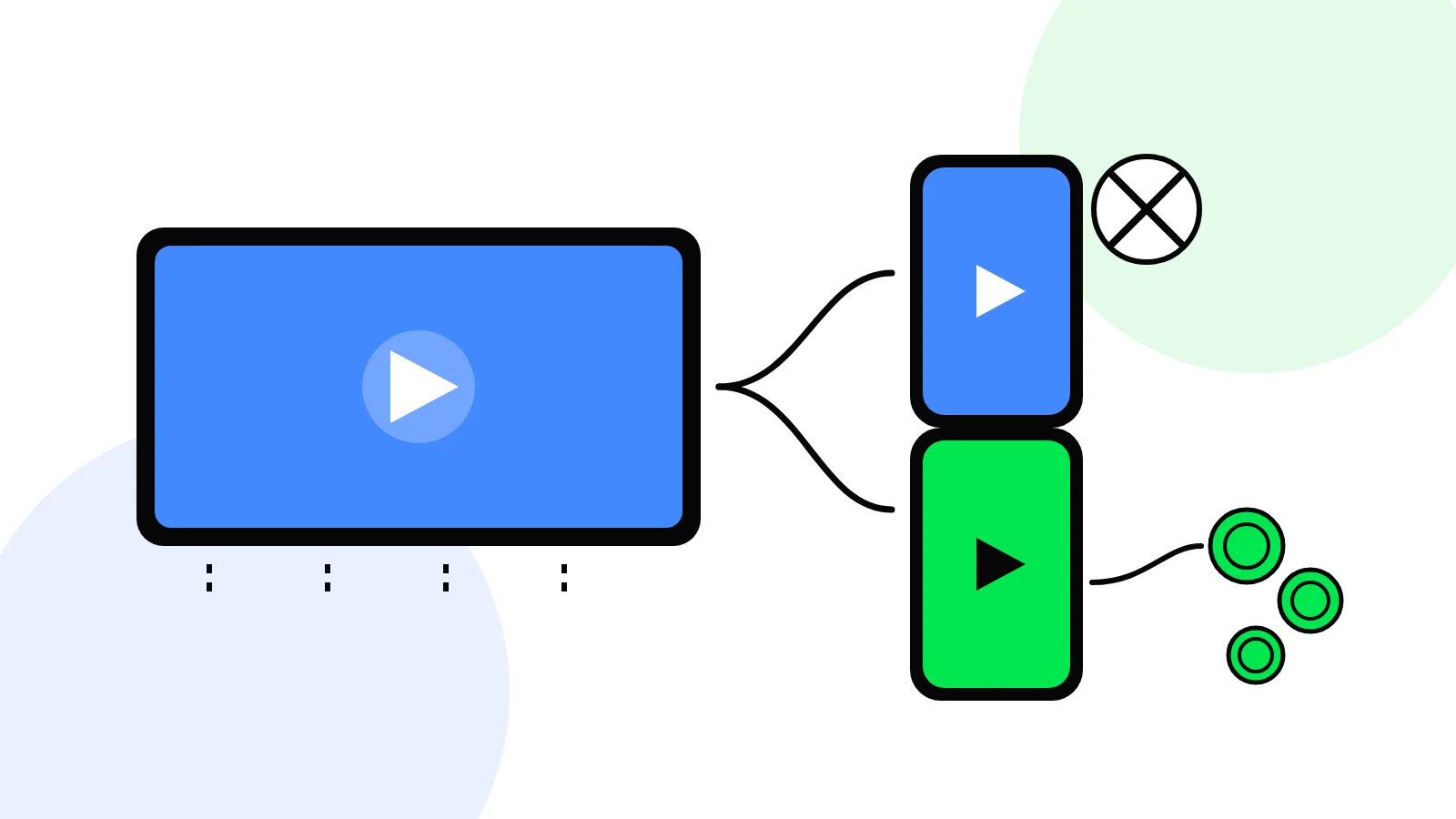
Does YouTube pay clippers?
YouTube does not pay anyone for being a clipper. It pays ad revenue to channels in the YouTube Partner Programme (YPP), and its reused content policy keeps most clip channels out, because a channel of other people's moments with little added work is not allowed to earn ads. The policy applies even when the original creator gave you permission.
So the money in clipping on YouTube rarely comes from YouTube itself. It comes from three other places: a creator who pays you to clip their videos, a brand that pays per 1,000 views through a campaign, or your own channel once your clips carry enough commentary and editing to count as your work.
Every YouTube rule in this post was read on YouTube's own help pages on 18 November 2026. YouTube revises these pages often, so check the linked page before you plan around a rule.
| Route | Who pays you | Needs the YPP? | Reused content policy decides it? |
|---|---|---|---|
| Ad revenue on long videos and Shorts | YouTube | Yes | Yes, for the whole channel |
| A share of a Content ID claim | YouTube, when the owner allows it | Yes | Not the main test |
| A clipping deal with the original creator | The creator | No | Only if you also want ad money |
| Paid campaigns per 1,000 views | The brand, through a platform | No | No |
The rest of this post is about the first row: why YouTube turns clip channels down, what its reviewers look at, and what a clip channel needs before it can earn ads. Copyright is a separate question, covered in our post on whether clipping is legal in India.
Why does YouTube refuse to monetise most clip channels?
YouTube refuses most clip channels because of its reused content policy. YouTube's channel monetisation policies define reused content as channels that "repurpose content that's already on YouTube or another online source without adding significant original commentary, substantive modifications or educational or entertainment value."
Three lines in that policy matter most to a clipper.
- It judges the channel, not one video. "Our reused content policy applies to your channel as a whole." If YouTube "cannot clearly tell that you made the content, monetisation may be removed from your entire channel."
- Permission does not fix it. "This policy applies even if you have permission from the original creator." The same page lists "the promotion of other people's content (even if you have permission)" as not allowed.
- It is not copyright. YouTube notes that reused content is separate from copyright enforcement, so a channel can get no claims at all and still be refused.
A clip channel built from podcasts, interviews or shows usually fails all three. It posts many short cuts of someone else's video, the channel as a whole looks like another person's content, and a licence from the owner does not change that.
What does YouTube look at when it reviews a clip channel?
YouTube's reviewers do not watch every video. The monetisation policies page says that, since they cannot check every video, reviewers may focus on six things:
- the channel's main theme;
- its most viewed videos;
- its newest videos;
- the videos with the biggest proportion of watch time;
- video metadata, including titles, thumbnails and descriptions;
- the About section.
For a clip channel, this list explains most refusals. If your most viewed video is a straight cut of a famous podcast, your newest uploads look the same, and your titles name the guest instead of your take, a reviewer can tell from those few places that the channel mostly reposts. One good commentary video buried deep in the channel does not outweigh the videos the reviewer actually opens.
The YPP overview page adds that the review covers the channel "as a whole" and typically takes about one month.
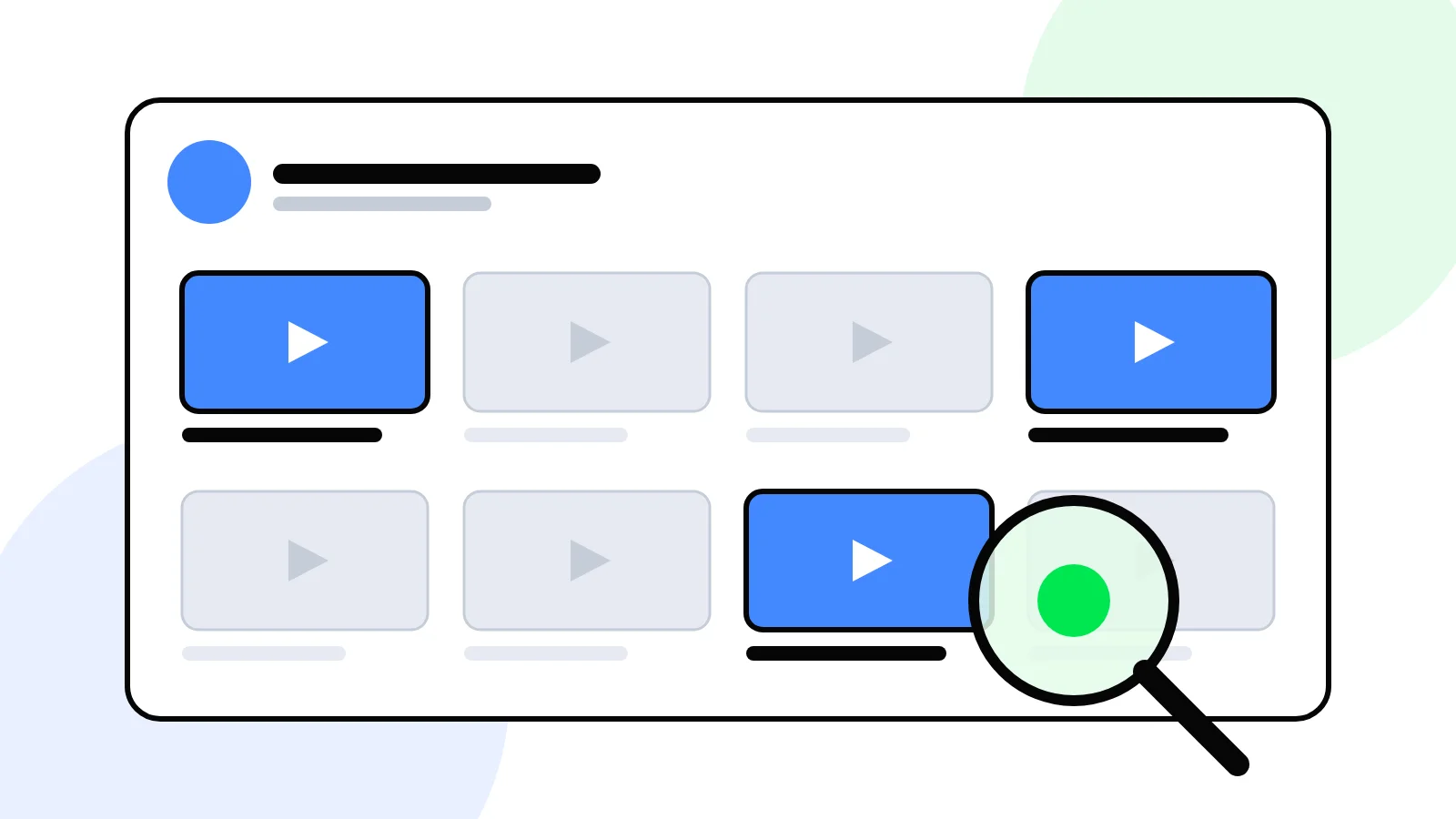 Reviewers open a handful of videos, so your most viewed and newest uploads decide the review.
What makes a clip channel monetisable, and what gets it rejected?
A clip channel is monetisable when viewers can see a clear difference between the original video and yours. In YouTube's words, "we allow reused content if viewers can tell that there's a meaningful difference between the original video and your video." These are the examples YouTube itself gives on the monetisation policies page.
| YouTube allows for monetisation | YouTube does not allow |
|---|---|
| Using clips for a critical review | Clips of moments from your favourite show edited together with little or no narrative |
| Reaction videos in which you comment on the original video | Short videos that you compiled from other social media websites |
| Edited footage from other creators to which you add a storyline and commentary | Content that gets views from mostly non verbal reactions, without added voice commentary |
| Content that primarily features the uploading creator in the video | The promotion of other people's content, even with permission |
The same page also covers what YouTube now calls inauthentic content. In July 2025 YouTube renamed its repetitious content policy to inauthentic content, and it does not monetise "channels where content feels interchangeable from video to video", or "image slideshows, templated storylines or scrolling text with minimal or no narrative, commentary or educational value". A clip channel that runs every video through the same caption template and the same layout risks this rule too.
In practice, a clip channel that gets accepted tends to look like this:
- Your voice is in most videos. You explain, disagree, rank or add context, not just subtitle the guest.
- Your face or your story ties the clips together. A series with a clear point of view reads as your work.
- Titles and thumbnails sell your angle. A title about your take reads differently to a reviewer than the guest's name and a quote.
- The uploads that get the most views are your best edited ones. Those are the videos a reviewer opens first.
Do clip Shorts earn from YouTube's Shorts money?
Mostly no. Shorts ad money is shared from a monthly pool, and YouTube's Shorts monetisation policies say some views are not counted toward it. Ineligible views include:
- Shorts that are not original, such as unedited clips from other people's films or TV shows;
- reuploads of other creators' content from YouTube or another platform;
- compilations with no original content added;
- artificial or fake views, such as from automated click or scroll bots.
The same page adds that "Shorts over one minute in length that contain claimed content are blocked and not eligible for monetisation."
So even inside the YPP, a Short that is a plain cut of someone else's video earns nothing from the pool. Its views are left out. The thresholds, the pool split and what Shorts pay per 1,000 views are covered in our post on YouTube Shorts monetisation vs clipping in India.
Reach is shrinking too. On 1 October 2026, YouTube's Creator Liaison said on the Creator Insider channel that Shorts recommendations will favour original content and cut reach for channels that mainly reupload other creators' clips without significant changes, as Search Engine Journal reported. He said voiceover that only describes what is on screen, minor technical edits and template based bulk changes do not count as added value. YouTube gave no start date or way to check whether a channel was affected.
Does permission from the original creator make clips monetisable?
No. Permission makes a clip legal to post, but it does not make a channel of clips eligible for ads. YouTube's monetisation page says the reused content policy "applies even if you have permission from the original creator."
That is why most clipping deals pay the clipper directly instead. When a podcaster or YouTuber wants their videos clipped, the usual arrangement is that the creator or brand pays the clipper per clip, per month or per 1,000 views, and the clip's job is to send viewers back to the original. The clipper's own ad money is not part of the deal.
Content ID can also send some money your way, but rarely. YouTube's Content ID claims page says an owner can block a claimed video, track its views, or "monetise the video by running ads on it, sometimes sharing revenue with the uploader." YouTube does not publish a split, and the owner chooses, so a clipper cannot plan on it. Claims, strikes and fair dealing in India are covered in is clipping legal in India.
How do YouTube clip channels actually earn in India?
YouTube clip channels in India earn in four ways, and only the first comes from YouTube's ads.
1. Your own monetised channel, built on commentary
A channel where you review, react, explain or add a storyline can join the YPP and earn ads on long videos and Shorts. This takes the longest: you first need 1,000 subscribers and the watch time or Shorts views YouTube asks for, then a review. It is the only route where the channel and its earnings are fully yours.
2. A clipping deal with the original creator
Many podcasters and YouTubers want their long videos cut into Shorts and Reels. You can pitch a creator directly, show three sample clips, and agree a fee. Because the creator pays you, the reused content policy does not matter for this money. Post the clips where the deal says, and keep them off any channel you want YouTube to monetise. Our guide to podcast and YouTube clipping services in India shows what creators pay editors and agencies.
3. Paid clipping campaigns per 1,000 views
A brand funds a campaign, sets a rate per 1,000 views and a cap per clip, and pays clippers on the views their clips get. Musubi is one such platform, an Indian marketplace where brands pay creators per 1,000 verified views on Instagram Reels and YouTube Shorts.
On Musubi, the brand's footage and brief tell you what to make, you post the Short from the YouTube channel you verified, and views are counted from the platform, never typed in by you. Once an approved clip's earnings reach your wallet, a withdrawal goes to your UPI ID within 48 hours. The brand pays Musubi's 10 percent platform fee on top of its budget.
For example, at a rate of ₹40 per 1,000 views, a Short with 50,000 approved views earns 50 × ₹40 = ₹2,000, as long as that is under the brief's cap per clip. Rates and caps differ on every brief, so read the brief first. How to make money clipping in India covers what clippers earn across platforms.
4. Content ID revenue sharing
Rare, as covered above. Treat any money from a claim as a bonus, not a plan.
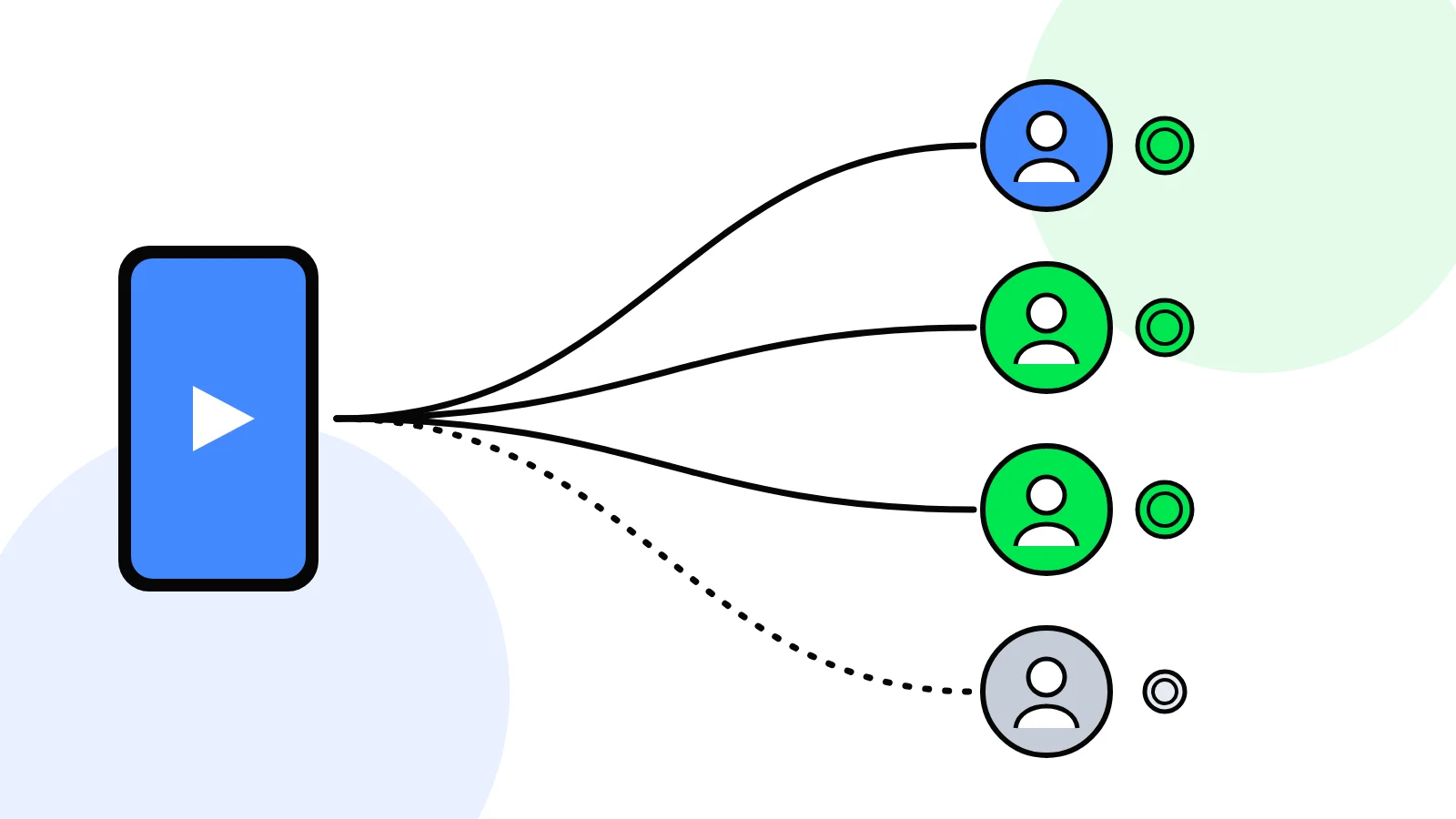 One clip can earn from four kinds of payer, and a Content ID share is the faintest of them.
What should you do if YouTube rejected your clip channel?
If YouTube refused your channel for reused content, fix the channel first and then use the appeal or the reapply window. The YPP overview page sets the timings:
- Decide whether to appeal. You can appeal within 21 days of a first refusal. Appeal only if you believe the channel already adds clear value and the decision was a mistake.
- Fix the videos a reviewer opens. Look at your most viewed videos, your newest uploads and your top watch time videos. Remove or privatise the plain cuts, and make sure the videos left show your commentary or story.
- Fix titles, thumbnails, descriptions and the About section. Make them describe your angle and your series, not the guest you clipped.
- Upload new work that is clearly yours. Your newest videos are on the review list, so a run of original uploads helps most.
- Reapply after the wait. After a first refusal you can reapply after 30 days. After a second refusal, or if you already reapplied, the wait is 90 days.
While you wait, campaign clips and creator deals keep paying, because neither depends on YouTube's review.
How do you start clipping on YouTube in India the safe way?
The safe way to clip on YouTube in India is to keep paid clips and your monetised channel apart, and to clip only footage you have permission to use. A simple setup:
- Pick one channel for your own voice. Commentary, reviews and explainers that use short clips go here, built toward the YPP.
- Use a separate channel for campaign and deal clips. These earn from the brand or the creator, so a reused content refusal there costs you no ad money.
- Clip only licensed footage. Use a campaign's footage or a creator's written yes, never a random viral video.
- Tick the paid promotion box in the video details when a brand pays for a Short, as YouTube's paid product placement page asks.
- Read every brief for its platforms, rate per 1,000 views and cap per clip before you edit.
How to start clipping in India walks through the first paid clip step by step, and open campaigns that take YouTube Shorts are on Discover.
Questions creators ask
Is clipping YouTube videos legal?
Clipping a YouTube video is legal when you have the owner's permission, such as a creator's written yes or a brand's footage under a campaign brief. Reposting someone's video without permission can bring a Content ID claim, a copyright strike or, in India, a legal case. Permission settles copyright, but YouTube's reused content policy still decides whether the clips can earn ads.
Does YouTube's own Clip button pay the person who makes the clip?
YouTube's Clips feature lets a viewer cut a 5 to 60 second part of a video and share it, and the clip stays linked to the original video in a clips library. YouTube's help page for the feature describes no payment to the person who makes the clip, so treat it as a sharing tool, not a way to earn.
Does crediting the original creator stop a reused content rejection?
No. YouTube's reused content policy applies even if the original creator gave you permission, so a credit line in the description does not change the review. What YouTube looks for is a meaningful difference between the original video and yours, such as your commentary, a review, a reaction you voice, or a storyline you add to the footage.
Does Musubi pay for YouTube Shorts clips?
Yes. Musubi is an Indian platform where brands pay creators per 1,000 verified views on Instagram Reels and YouTube Shorts. You post the Short from the YouTube channel you verified, views are counted from the platform, and approved earnings go to your wallet. A withdrawal reaches your UPI ID within 48 hours. Each brief sets its own rate and cap per clip.
Is clipping on YouTube worth it in 2026?
Clipping on YouTube is worth it in 2026 if you are paid by someone other than YouTube, such as a creator who hires you or a brand campaign that pays per 1,000 views. Waiting on YouTube's own ad money is slow for a clip channel, because plain clips fail the reused content policy and YouTube has said Shorts reach will favour original content.
Start earning
Join a live campaign, get accepted, post your clip, and get paid for the views it gets.
See live campaigns