YouTube Shorts monetisation vs clipping in India: how each pays
YouTube Shorts monetisation in India needs 1,000 subscribers and 10 million Shorts views in 90 days, then pays 45 percent of your share of a monthly ad pool, with no published rate. Clipping pays a rate per 1,000 views that a brand fixes before you post. You can do both if you keep brand clips off your monetised channel.
YouTube Shorts monetisation vs clipping: the short answer
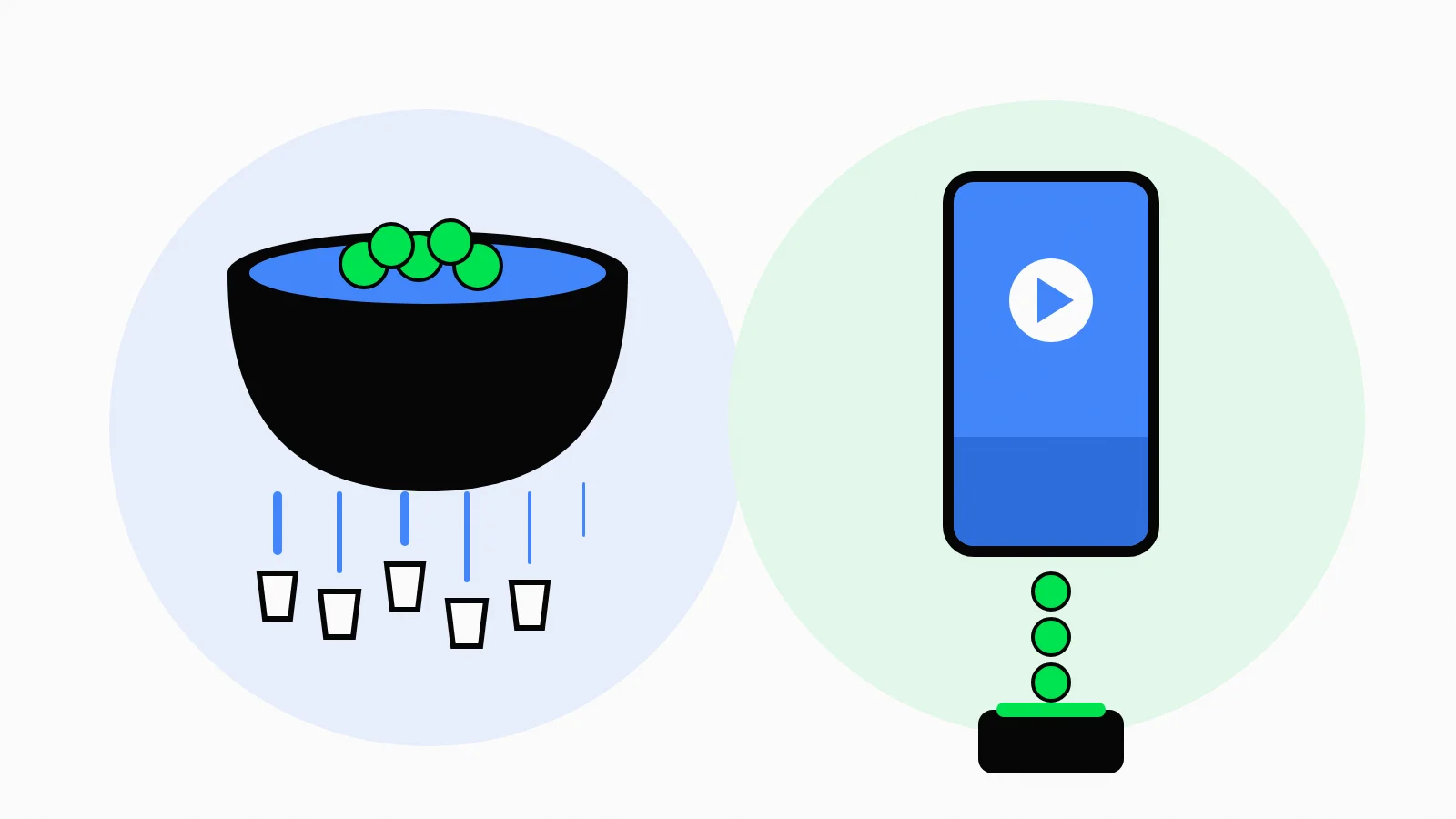
YouTube pays for Shorts only after your channel joins the YouTube Partner Programme (YPP) and passes 1,000 subscribers with 10 million Shorts views in 90 days. It then pays you a share of a pooled ad fund, not a fixed rate. Clipping pays a rate per 1,000 views that a brand fixes on the brief before you post, with no subscriber or view threshold to start.
Every YouTube figure in this post was read on YouTube's own help pages on 16 November 2026. YouTube changes these rules often, and a big change is already announced for 1 February 2027, so check the linked pages before you plan around a number.
| YouTube Shorts monetisation | Clipping campaigns | |
|---|---|---|
| Who pays | YouTube, from Shorts feed ad revenue | The brand, from a funded campaign budget |
| Entry bar for ad money | 1,000 subscribers and 10 million qualified Shorts views in 90 days, then a review | None on most platforms; some campaigns pick their creators |
| Rate per 1,000 views | Not published; a share of a pool that moves every month | Fixed on the brief before you post |
| Your share | 45 percent of your allocation from the Creator Pool | The brief's rate, up to a cap per clip |
| Whose video | Your own original Shorts | Footage the brand licenses to you |
| Paid in India through | AdSense for YouTube | The platform, for example UPI on Musubi |
You can do both. The catch is that YouTube's reused content policy can switch off ad money on a channel full of brand clips, so the two need to be kept apart. That is covered further down.
How does YouTube Shorts monetisation work in India?
YouTube Shorts monetisation in India runs through the YouTube Partner Programme, which has two levels. India is on YouTube's list of countries for the expanded YPP, so an Indian channel can join early for fan funding and Shopping, but ad revenue from Shorts still needs the higher bar.
| YPP level | Subscribers | Other threshold | What it unlocks |
|---|---|---|---|
| Expanded YPP | 500 | 3 public uploads in the last 90 days, plus 3,000 watch hours in 12 months or 3 million Shorts views in 90 days | Fan funding, such as channel memberships and Super Chat, and Shopping |
| Full YPP | 1,000 | 4,000 watch hours in 12 months or 10 million Shorts views in 90 days | Ad revenue and YouTube Premium revenue, including from Shorts |
Source: YouTube's YPP overview and eligibility page and its expanded YPP page.
Three details trip people up. Watch hours from Shorts in the Shorts feed do not count toward the 4,000 hours, so the two routes never add up. Only public Shorts seen in the Shorts feed count as qualified views; private, unlisted, deleted and ad campaign views do not. And reaching the threshold only lets you apply: YouTube reviews the whole channel, typically in about one month, and if it refuses you can appeal within 21 days or reapply after 30 days.
You also need two step verification on your Google account, no active Community Guidelines strike, and one AdSense for YouTube account linked to the channel. YouTube may switch off monetisation on a channel that has not uploaded or posted for six months.
What changes for Shorts on 1 February 2027?
From 1 February 2027, YouTube's changes to the YPP make Shorts money harder to reach and harder to keep:
- Entry bar doubles for new creators: 1,000 subscribers with 8,000 watch hours in 365 days, or 20 million qualified Shorts views in 90 days. Channels already in the YPP keep their status.
- A monthly floor to earn from Shorts: to earn from the Shorts Creator Pool in a month, a channel needs 10 million qualified Shorts views over the past 90 days. Miss it and you stay in the YPP and keep long video earnings, but earn nothing from the pool that month.
- Fan funding is unchanged: 500 subscribers with 3,000 watch hours or 3 million Shorts views still opens fan funding and Shopping.
- Targeted Shorts ads: when an advertiser targets five or fewer channels, those creators get 45 percent of that ad directly, on top of the pool.
- New terms: partners must accept the updated terms in YouTube Studio by 31 January 2027, or stop earning from those features until they do.
In plain words: after February 2027, a Shorts channel under 10 million views a quarter earns no Shorts ad money in that month, even inside the YPP.
How does YouTube pay for Shorts views?
YouTube pays for Shorts from a pool, not per ad. Its Shorts monetisation policies describe four steps:
- Pool: each month, revenue from ads shown between Shorts in the feed is added together.
- Creator Pool: part of that pool covers music licensing. A Short with no music sends all its share to the Creator Pool; one track sends half, two tracks a third.
- Allocate: the Creator Pool is shared by each monetising creator's share of engaged views in that country. Get 5 percent of the views, get 5 percent of the pool.
- Revenue share: you keep 45 percent of what you are allocated, with or without music.
YouTube's own worked example: in country A, ads between Shorts earn £100,000 in a month and the Creator Pool is £90,000. Your Short has 1 million of the 100 million engaged views, so you are allocated 1 percent, £900, and keep 45 percent of it: £405.
Some views earn nothing. Shorts views before you accept the Shorts Monetisation Module do not count. Nor do views YouTube rates ineligible: unedited clips from films or TV, reuploads of other creators, compilations with nothing original added, bot views, Shorts that break the advertiser friendly guidelines, and Shorts over one minute with claimed content, which are blocked.
What is the Shorts RPM in India?
YouTube does not publish a Shorts RPM for India or for any country. Its ad revenue analytics page defines RPM as what you earned per 1,000 views after YouTube's revenue share, and for Shorts it counts per 1,000 engaged views, including views that earned nothing. The only real figure is your own, in YouTube Studio under Analytics, then Revenue, once you are monetising.
The pool model explains why no fixed number exists. Your Shorts money depends on what advertisers spent between Shorts in each country that month, how many views all monetising creators got, how much of the pool went to music, and where your viewers are. YouTube says CPMs, and so earnings, move with the time of year and viewer geography. A rupee figure on a blog is someone's estimate, not a rate anyone pays you.
Two more things come off the top. Google withholds US tax on earnings from US viewers, and if you have not submitted tax info it may deduct up to 24 percent of your earnings worldwide, according to YouTube's US tax page. And YouTube pays only once your balance clears the payment threshold for your currency, shown in your AdSense for YouTube account.
How does clipping pay per 1,000 views?
Clipping pays a rate per 1,000 views that the brand sets on the brief, so you know the price before you post. You cut the brand's long footage into Reels or Shorts, post them on your own account, submit the link, and once the clip is approved you are paid for its counted views up to the campaign's cap per clip. Our guide to clipping rates per 1,000 views explains the rate, cap and budget in full.
Musubi is an Indian platform where brands pay creators per 1,000 verified views for Instagram Reels and YouTube Shorts. Its published terms, read on 16 November 2026:
| Musubi term | Figure | Where it is stated |
|---|---|---|
| Lowest rate a brand can set | ₹30 per 1,000 views | /brands/ |
| Minimum withdrawal | ₹10 | /about/ and /terms/ |
| Withdrawal fee | 5 percent of the amount withdrawn | /about/ and /terms/ |
| Payout | To your UPI ID within 48 hours of the request | /about/ and /terms/ |
There is no follower minimum to join, but most campaigns pick their creators, and a person reviews every clip before it is paid.
The same 1,00,000 views, both ways
For example, say one Short gets 1,00,000 views.
- As a clip on a campaign at the ₹30 floor rate: 100 × ₹30 = ₹3,000, if the clip is approved and under the cap per clip. After the 5 percent withdrawal fee, ₹2,850 reaches your UPI. A brief with a higher rate pays more.
- As a Short on a monetised channel: nothing can be worked out in advance. Before February 2027, the channel must first reach 1,000 subscribers and 10 million Shorts views in 90 days. After that, the Short earns 45 percent of its share of that month's Creator Pool, whatever that turns out to be.
Clipping wins on certainty and on speed, as the first approved clip pays. YouTube wins on ownership: the channel, its subscribers and its long term earnings are yours, and they stack with fan funding and brand deals.
Can you earn from YouTube Shorts and clipping at the same time?
Yes, and it is the sensible plan, but keep brand clips and your own monetised Shorts apart. Three YouTube rules decide how.
The reused content policy applies even with permission. YouTube's channel monetisation policies list "the promotion of other people's content (even if you have permission)" and clips with little or no narrative as not allowed for monetisation. YouTube reviews the channel as a whole, and if it cannot tell you made the content, monetisation may be removed from the entire channel. A brand licensing its footage to you settles copyright, which our post on whether clipping is legal in India covers, but not YouTube's reused content check.
Added value is what YouTube rewards. The same page allows reused footage where you appear on screen, add commentary, add a storyline, or edit it substantially so it is clearly yours. A clip that is a straight cut of the brand's video does not meet that bar.
Tick the paid promotion box. A Short you post for a paying brand is a paid promotion, and YouTube asks you to declare it by selecting the paid promotion box in the video details, on top of India's ad disclosure rules covered in our UGC vs clipping post.
A working split looks like this:
- Your main channel carries your own original Shorts, built toward the YPP thresholds.
- A separate clip account or channel carries campaign clips, earning per 1,000 views from day one.
- The clip money pays for growth while the main channel climbs toward 1,000 subscribers, which can take months.
- Check each brief for the platforms it takes, the disclosure it wants and its cap per clip before you post.
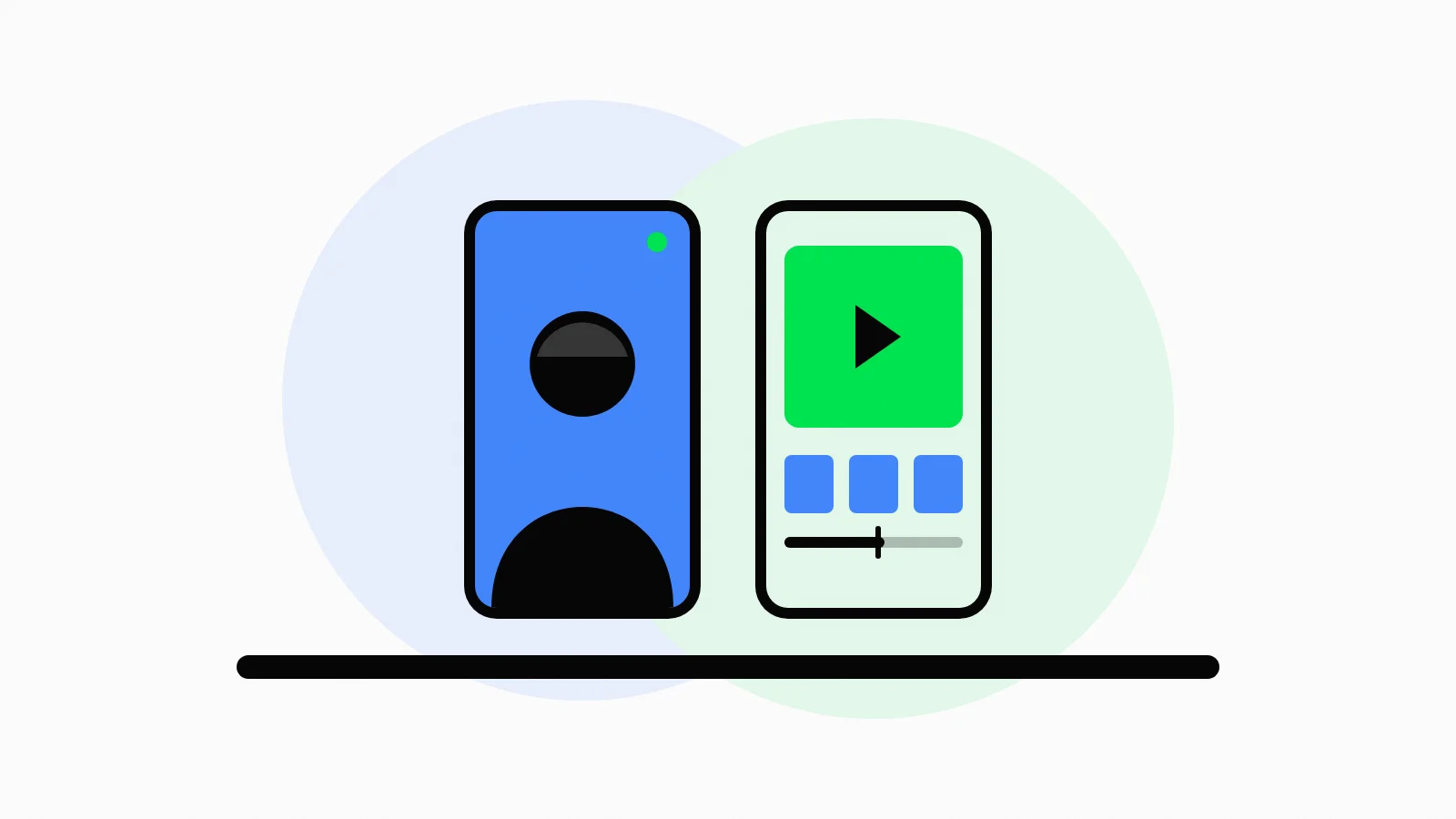 Keep your own Shorts and your campaign clips on separate accounts, so a brand clip never puts your channel's ad money at risk.
Which should a beginner in India start with?
A beginner with no subscribers should start with clipping and build a Shorts channel alongside it. Clipping pays from the first approved clip, while Shorts ad money needs 1,000 subscribers and 10 million Shorts views in 90 days, and from February 2027 new channels need 20 million. Clipping also teaches the hooks, cuts and captions that grow a channel.
Choose YouTube first if you already have a channel near the thresholds and make original content; for you the Creator Pool, memberships and brand deals add up over time. Ready to try a campaign? How to start clipping in India walks through the first paid clip, and open campaigns are on Discover.
Questions creators ask
YouTube Shorts se paise kaise kamaye?
YouTube Shorts se ad ka paisa tab milta hai jab channel YouTube Partner Programme mein ho: 1,000 subscribers aur 90 din mein 1 crore Shorts views chahiye, phir review hota hai. Uske baad aapko monthly Creator Pool mein apne hisse ka 45 percent milta hai. Jaldi kamaane ke liye clipping karo: brand har 1,000 views par fixed rate deta hai, pehle approved clip se.
Do Shorts views from before I joined the YPP earn money?
No. YouTube counts Shorts views for revenue sharing only from the date you accept the Shorts Monetisation Module in YouTube Studio. Views your Shorts got before that date are not paid, even if the same Shorts keep getting views later; only the new views after acceptance count. So accept the module as soon as your channel is approved.
Does using music in a Short cut what I earn?
Music changes how much goes into the Creator Pool, but not your own share of it. YouTube moves half of a one track Short's revenue to music licensing before the pool is formed, yet each creator is still allocated 100 percent of their engaged views and keeps 45 percent of the allocation, with or without music, according to its Shorts monetisation policies.
Is tax deducted from YouTube earnings in India?
Google withholds US tax on the part of your YouTube earnings that comes from viewers in the US, at a rate that depends on your tax info and any treaty claim. If you have not submitted tax info in AdSense for YouTube, Google may deduct up to 24 percent of your earnings worldwide. Indian income tax is separate, so ask a CA how to report it.
How long does the YouTube Partner Programme review take?
YouTube says a decision typically comes in about one month after you accept the terms and link an AdSense for YouTube account, and it can take longer when many channels apply. If you are refused, you can appeal within 21 days or keep uploading and reapply after 30 days. A second refusal means waiting 90 days to reapply.
Start earning
Join a live campaign, get accepted, post your clip, and get paid for the views it gets.
See live campaigns