How are Instagram Reels and YouTube Shorts views counted?
As of November 2026, Instagram counts a Reel view each time the Reel starts to play or replay, and YouTube counts a Short view the same way, with no minimum watch time. Replays count. A clipping campaign reads that public count but pays only views that pass its rules, so its figure is usually lower.
How are Instagram Reels views counted?
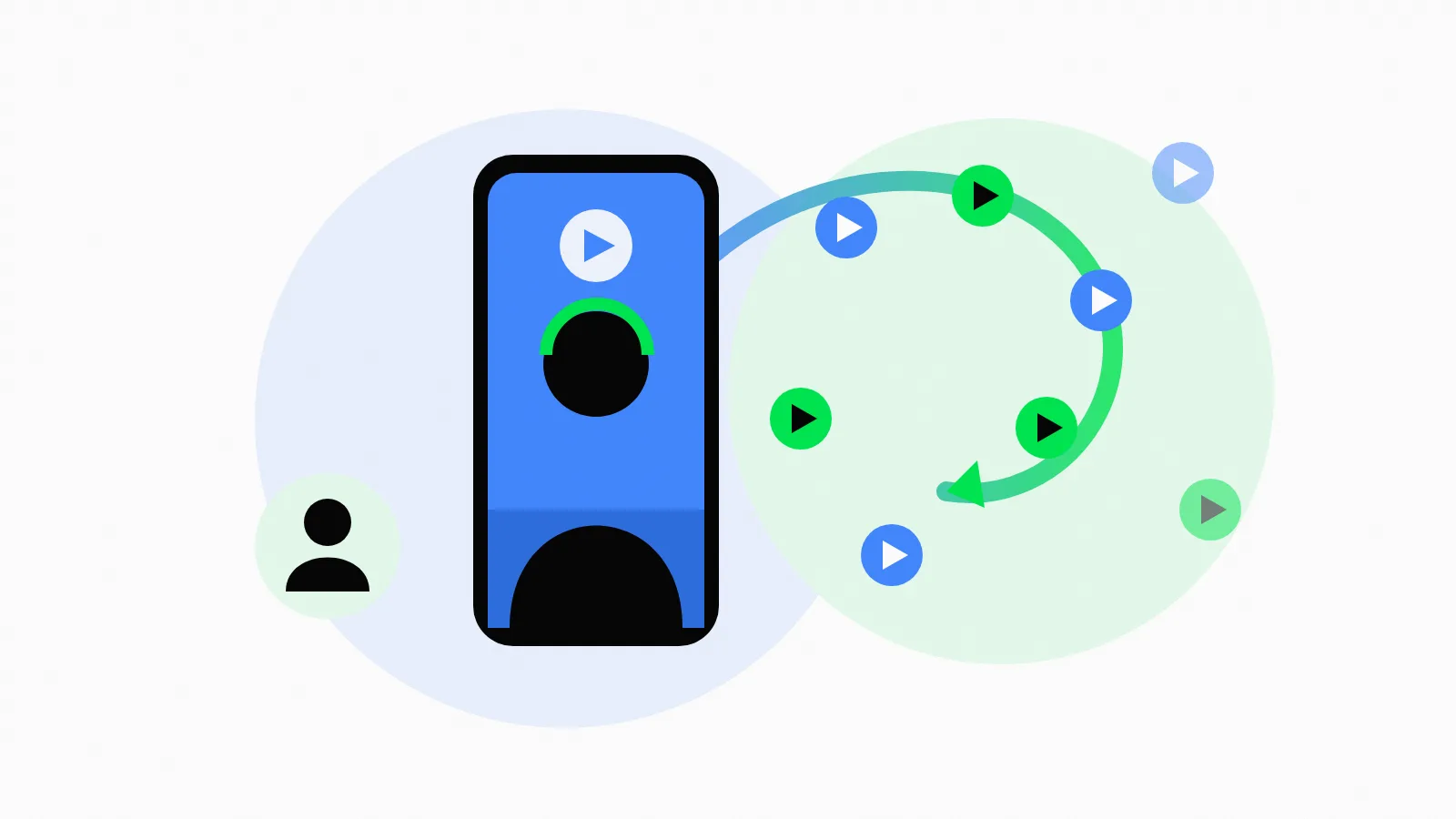
Instagram counts a Reel view every time the Reel starts to play or replay. Instagram's help page on Reels insights, read on 16 November 2026, defines views as "The number of times your reel starts to play or replay." The definition names no minimum watch time, and replays count, so one person watching a 10 second Reel four times in a row adds four views.
Instagram used to call this number plays. Meta replaced plays and impressions with a single views metric in 2025: its Graph API v22 announcement of 21 January 2025 deprecated plays, clips_replays_count and impressions, and asked developers to move to views by 21 April 2025. A guide that still talks about Reels "plays" in Insights was written before that switch.
The profile grid is the exception. Instagram's page on seeing info about your reel, read on 16 November 2026, says the number in the corner of each Reel on your profile is "how many times your reel starts to play" and "doesn't include replays". So the grid can show a smaller number than Insights for the same Reel. The same page adds that if you recommend your Reel to Facebook, "play and like counts may include Facebook interactions".
What is the difference between views, viewers and reach on Instagram?
Views count plays, and viewers count people. Instagram's About Instagram insights page, read on 14 November 2026, lists four metrics under each post or Reel: views, viewers, interactions and accounts engaged. None of its definitions is called reach any more; viewers, a count of unique accounts, is the closest to what reach used to mean.
| Metric in Insights | What Instagram counts | Counts replays? |
|---|---|---|
| Views | Each time the Reel starts to play or replay | Yes |
| Viewers | Unique accounts that saw the Reel on screen at least once, "whether or not your reel was played" | No, one per account |
| Watch time | Total time the Reel played, replays included | Yes |
| Average watch time | Watch time divided by initial views, the first play in a session | No |
| Grid count on your profile | Times the Reel starts to play | No |
Instagram marks viewers as "estimated and in development", so treat it as a guide, not an exact count. Viewers can also be higher than you expect for a Reel with few views, because an account counts as a viewer once the Reel is on its screen, even if it scrolls past before it plays.
The gap between views and viewers tells you how much rewatching happened. A Reel with 50,000 views and 20,000 viewers was played two and a half times per account on average. A loop that rewards a second watch pushes views well past viewers.
What counts as a view on a YouTube Short?
A YouTube Short gets a view every time it starts to play or replay, with no minimum watch time. YouTube's Shorts help page, read on 16 November 2026, says that starting 31 March 2025, "Views will count the number of times a Short starts to play or replay, with no minimum watch time requirement."
YouTube kept the older, stricter count under a new name. The same page says the previous Shorts view metric is "now called 'Engaged views'" and shows "how many viewers chose to continue watching your video." The help pages read for this post give no number of seconds that makes a view engaged. Engaged views still decide money on YouTube: ad revenue sharing and Partner Program eligibility for Shorts are based on engaged Shorts views, not the public count.
Since 24 August 2026 every YouTube format counts the same way. YouTube's page on how engagement metrics are counted, read on 16 November 2026, says: "Beginning August 24, 2026, views are counted the moment a video starts to play across all formats, including Shorts, long form videos (VOD), and live streams." Some reports said Shorts were left out of that change. YouTube's own page names Shorts.
| YouTube metric | What it counts | What it is used for |
|---|---|---|
| Views | Every start or replay, no minimum watch time | The public count under the Short |
| Engaged views | Viewers who chose to continue watching | Shorts ad revenue sharing, and comparing Shorts in YouTube Analytics |
| Qualified views | Not defined on the pages read | Partner Program eligibility |
Do replays and your own views count?
Replays count as views on both platforms: Instagram's definition says "starts to play or replay", and YouTube's Shorts page says the same. Neither platform's help page says that your own plays are left out of the count, so assume they may be counted, and do not try to find out by watching your own clip on repeat.
YouTube says plainly that it filters some repeat watching. Its engagement metrics page says YouTube may "temporarily slow down, freeze, or change your metric count, and discard low quality playbacks", and gives "using several devices to watch the same video and streaming the same video across several windows and tabs" as examples. A view count that stops moving for a few hours is often that check running, not a broken post.
Is there a 3 second rule for Reels or Shorts views?
No. For an organic Reel or Short, neither Meta's nor YouTube's help pages set a minimum watch time: a view is a start or a replay. The 3 second figure comes from Meta's ads tools, where "3 second video plays" is a reporting metric for paid video, and YouTube's 10 second rule applies to paid Shorts ad views. Our guide to clipping vs Instagram and YouTube ads compares those paid units side by side.
Why does a campaign pay on fewer views than your post shows?
A clipping campaign reads the same public count anyone can see under your Reel or Short, but it pays only the views that pass its rules, so the paid number is almost always at or below the public one. On Musubi, an Indian platform where brands pay creators per 1,000 verified views on Instagram Reels and YouTube Shorts, these are the common reasons, each one published on the site:
- The clip reached its per clip cap. Every brief has a cap per clip. Views past the cap are still views on your post, but the clip has earned all it can.
- The budget ran out. Earnings accrue against the funded budget and never past it. Once the budget is spent, more views earn nothing.
- The clip was not approved. Every clip is reviewed against the brief before it is paid, and only approved clips are paid. A rejected clip's views are not paid at any count.
- It was posted from the wrong account. Each clip is checked against the account the creator verified. A clip on any other account is rejected.
- The count was read before your latest views. Views are read on a schedule, so the campaign figure trails the live count on your phone until the next read.
- The platform itself took views back. If YouTube freezes a count or discards low quality playbacks, the campaign reads the corrected public figure.
Other platforms add their own rules, such as a tracking window after you submit, or a minimum view count before a clip earns. Read the brief before you post: the rules that decide your pay are on it.
For example, say your Reel shows 1,20,000 views and the brief's cap is reached at 80,000 views. The campaign pays for 80,000 views. The other 40,000 still count on Instagram and still help your account; they are just past what this one brief pays for. The cost per 1,000 views guide shows how caps and budgets are set.
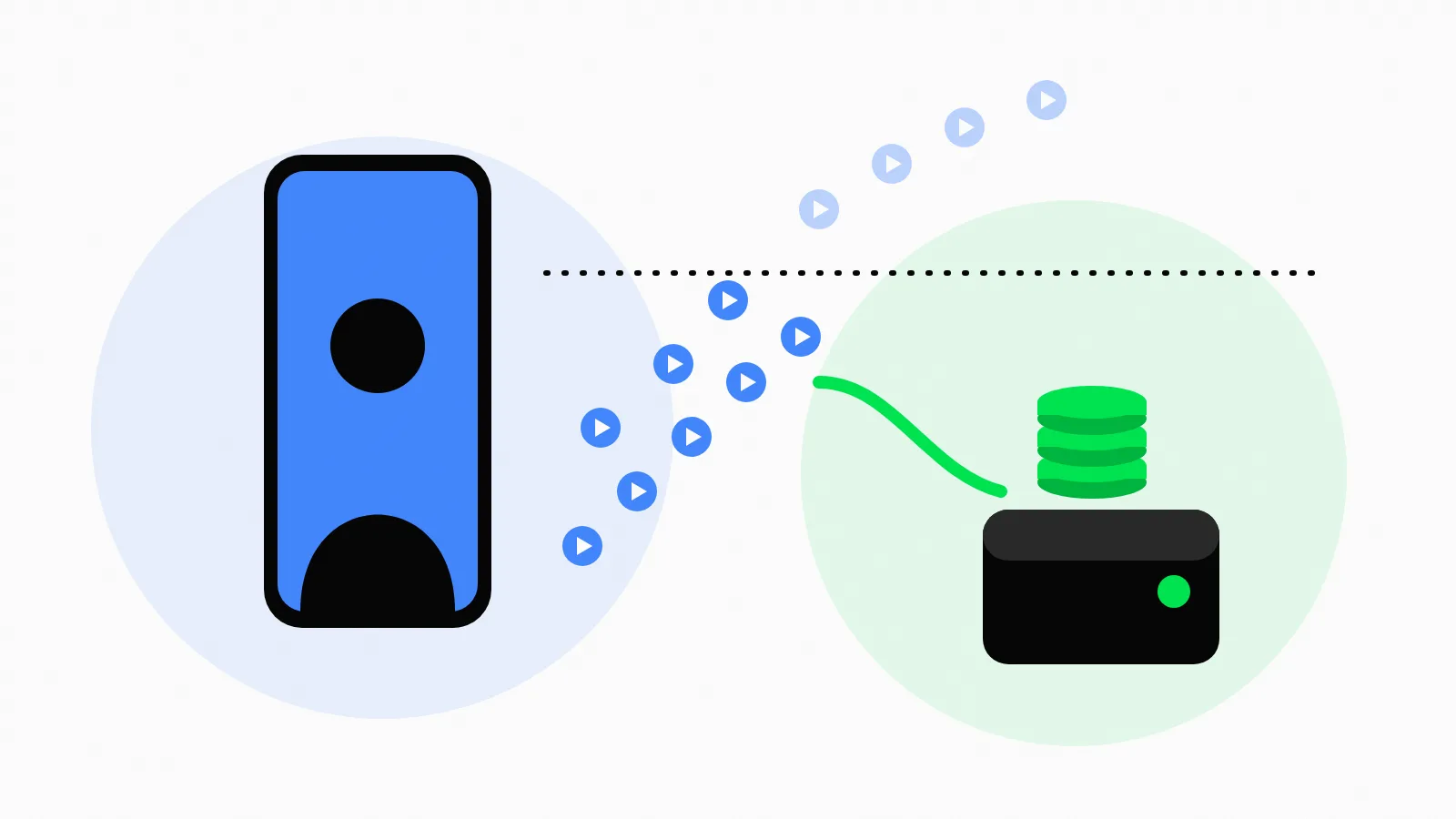 The public count keeps climbing, but a campaign pays only the views that clear its rules, its cap and its budget.
How do clipping platforms verify views without screenshots?
A clipping platform you can trust reads view counts from Instagram or YouTube itself, never from a screenshot or a number the creator types. A screenshot can be edited, and even an honest one is frozen at the moment it was taken. On Musubi, views are read from the post itself, not reported by the creator, and the process has three parts:
- Proof you own the account. You verify your Instagram or YouTube account once before you can submit. That ties every clip to one account the platform can check.
- Counts read from the platform on a schedule. The view count is scraped from Instagram and YouTube on a schedule and checked against the account you verified. Nothing settles on a number a creator typed.
- A person reviews the clip before it is paid. Every clip is checked against the brief, and only approved clips are paid. If a brand disputes a clip after approval, Musubi reviews it within 48 hours, and an approved payout is reversed only if fraud is proven.
Brands setting up a campaign will find the brief and budget side of this in the step by step campaign guide. Creators can read the payout side on Musubi's about page.
How can you tell if views are fake?
Fake views look different from real ones because real people do more than press play. No single sign proves fraud, but several together are worth a closer look. These checks use only numbers Instagram and YouTube already show you:
- Views jump while likes, comments and shares stay flat. Real viewers like, comment and share at a rate that is usually similar from one post to the next on the same account. Bought views rarely bring interactions with them.
- Views far above the account's normal. An account whose Reels usually get 5,000 views posting one with 5,00,000 overnight, with no share or trend to explain it, needs a reason.
- Viewers far below views. Insights shows both. Views many times higher than viewers on a long clip, which few people loop, means the same accounts played it over and over.
- The audience is in the wrong place. Instagram's viewers metric shows top countries and cities. A Hindi Reel watched mostly from countries far from any Hindi audience is a warning.
- Comments that could sit under any video. Strings of emoji or "nice video" from new, empty accounts often come in the same batch as fake views.
- The count freezes or drops. YouTube says it may freeze a count or discard low quality playbacks while it checks them, and removes artificial traffic from the count.
Both platforms forbid buying views. Meta's Spam policy, read on 16 November 2026, bans "selling, buying, or exchanging for engagement, such as likes, shares, views, follows". YouTube's fake engagement policy, read on 16 November 2026, says it does not allow "anything that artificially increases the number of views, likes, comments, or other metrics", and that traffic found to be artificial "will not be counted". Musubi's terms forbid bots, fake views, view exchange groups and any artificial inflation of view counts, and breaking them means suspension and loss of pending earnings.
Clippers: never buy views or join an exchange group to boost a campaign clip. The platform can take the views back, the clip can be rejected, and the account you verified carries the record. A clip that earns slowly on real views pays more in the end than one that earns nothing. If someone sells you a guaranteed view package, read our guide on spotting a fake clipping offer.
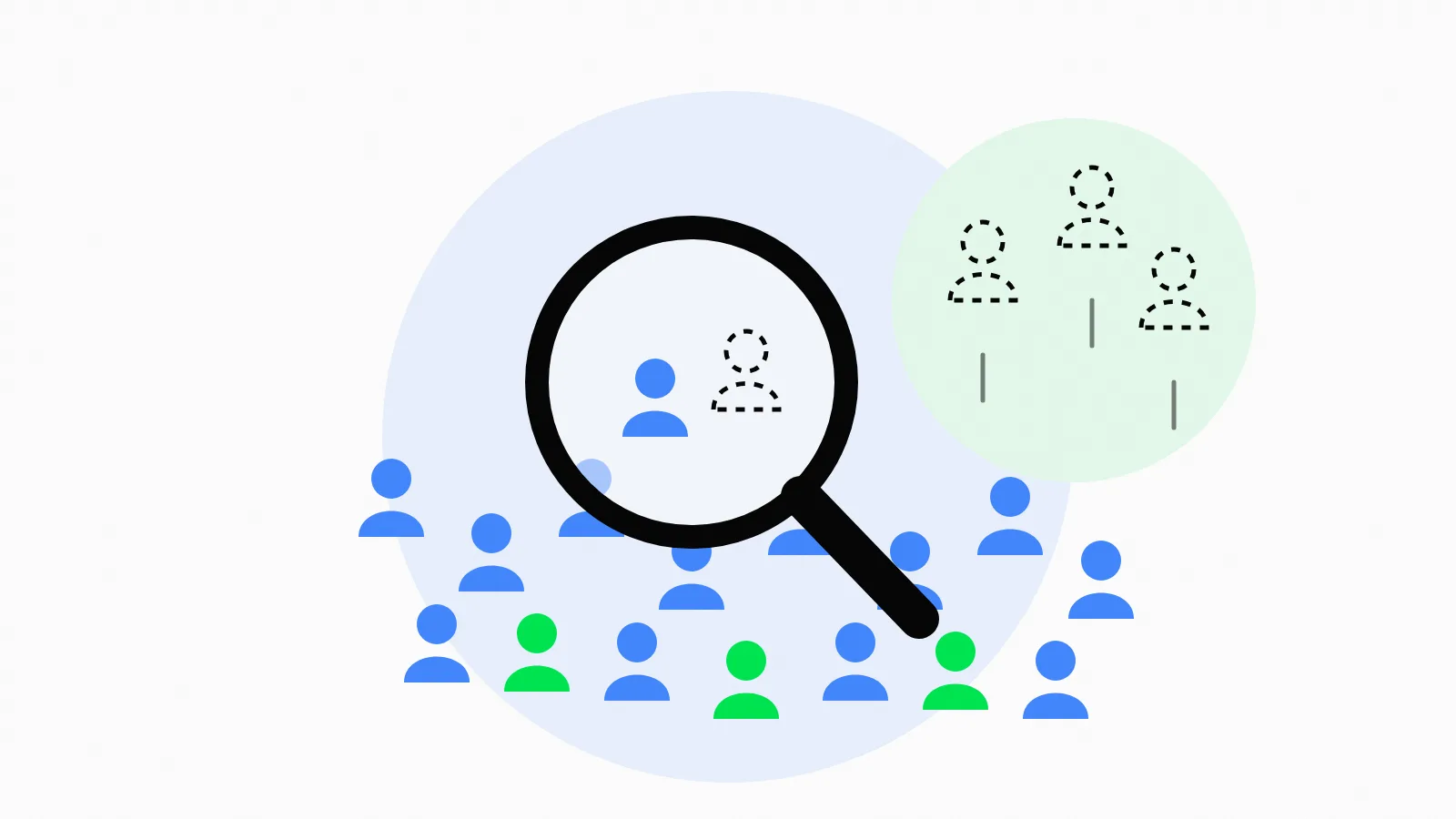 Fake views leave gaps a reader can see: views without people, interactions or a matching audience behind them.
What should you check before you post a campaign clip?
Check three things before you post: that you are posting from the account you verified, that the brief's cap and budget leave room for your views, and that the clip will make people stay, not just start. Reels and Shorts now count every start and replay, so the number under your post will usually be the highest figure anyone shows you. The campaign figure is the one that pays, and it rises as the views are read and the clip is approved.
Questions creators ask
How many seconds does someone have to watch for a Reel view to count?
None. Instagram's help page on Reels insights defines a view as each time a Reel starts to play or replay, and it names no minimum watch time. The 3 second figure people quote belongs to Meta's ads reporting, where 3 second video plays is a paid video metric. For an ordinary Reel on your own account, a play that starts is a view.
Why does my Reel show different view counts in different places?
Instagram counts differently in each place. Insights counts every start and every replay. The number in the corner of a Reel on your profile grid counts starts but, by Instagram's own help page, does not include replays. If you recommended the Reel to Facebook, the counts may also include Facebook plays. A campaign reads the public count on the post on a schedule, so it can trail all of them.
What are engaged views on YouTube Shorts?
Engaged views are YouTube's older, stricter Shorts count, renamed when YouTube began counting every start and replay as a view on 31 March 2025. YouTube says engaged views show how many viewers chose to continue watching. Shorts ad revenue sharing and Partner Program eligibility are based on engaged Shorts views, not the public view count, so the two numbers can differ a lot.
Can bought views be removed from my post?
Yes. YouTube's fake engagement policy says traffic found to be artificial will not be counted, and YouTube may freeze a count or discard low quality playbacks while it checks them. Meta's Spam policy bans buying or exchanging views. On a clipping campaign, bought views also risk a rejected clip and, under Musubi's terms, suspension and loss of pending earnings.
Do views keep counting after a campaign stops paying?
Yes. Instagram and YouTube keep counting every play for as long as the post is up. A campaign stops paying when the clip reaches its per clip cap or the budget runs out, but the views past that point still show on your post and still help your account reach new people. They are simply past what that brief pays for.
Start earning
Join a live campaign, get accepted, post your clip, and get paid for the views it gets.
See live campaigns