How to start a faceless Instagram page in India and earn (2026)
You can start a faceless Instagram page or YouTube Shorts channel in India with a phone, a free editor and one niche, without showing your face. Both platforms limit pages that repost others' videos, so make your own. A new page earns from brand deals, affiliate links, its own products and clipping campaigns.
Can you start a faceless Instagram page in India and earn from it?
Yes. You can start a faceless Instagram page or YouTube Shorts channel in India with a phone, a free editing app and one clear niche, and you never have to show your face. What you cannot do is grow it on other people's videos. Instagram and YouTube both cut the reach or the pay of pages that repost without adding anything of their own.
The money comes later than most videos promise. Instagram pays no rate per Reel view in India, and YouTube shares Shorts ad money only after a channel reaches 1,000 subscribers. The routes that pay a new page are brand deals, affiliate links, your own products and clipping campaigns, where brands pay per 1,000 views with no follower minimum.
Musubi publishes this guide. It is an Indian platform where brands pay creators per 1,000 verified views on Instagram Reels and YouTube Shorts, and one of the earning routes below.
What is a faceless page?
A faceless page is an Instagram account or YouTube channel where the person behind it never appears on camera. The video is carried by something else: text on screen, your voice, your hands, screen recordings, stock footage, drawings or clips you have the right to use.
Common faceless formats that work on a phone:
- Text on video. A strong line of text over a simple clip or background. Cheap to make, but easy to copy, so the words must be your own.
- Voiceover. Your voice, or a voice tool, explaining something over footage or images.
- Hands only. Cooking, drawing, unboxing, solving a maths problem on paper.
- Screen recording. Phone tricks, app tutorials, exam tips on a whiteboard app.
- Clips with permission. Short cuts from a podcast or brand video you are allowed to post, edited with your own hook and captions.
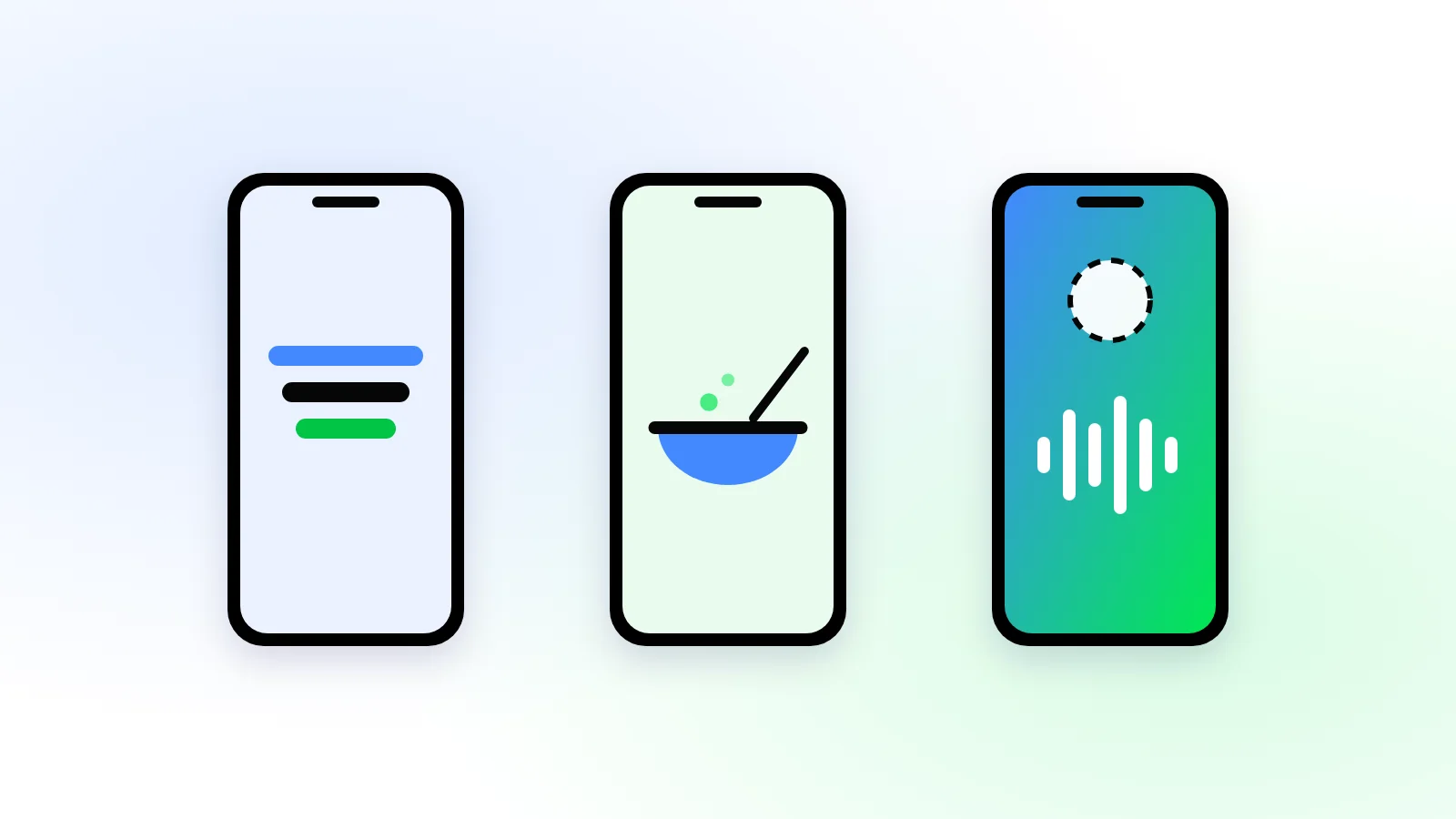 A faceless video can be carried by text, your hands or your voice.
Which faceless niches work in India?
The faceless niches that work in India are ones where the information is the star, not the person: study help, money basics, tech tips, facts in Hindi or your regional language, recipes and stories. Pick one you would happily watch for a year, because a page with one clear topic gives a viewer a reason to follow.
| Niche | Faceless format | What you make | Who might pay later |
|---|---|---|---|
| Exam and study tips (boards, SSC, UPSC, JEE) | Screen recording, voiceover | One concept or trick per video | Coaching apps, ed tech brands |
| Money basics for students | Text on video, voiceover | One rule per video, explained simply | Finance apps, affiliate links |
| Phone and tech tips | Screen recording | A setting or app trick in 20 seconds | Gadget brands, app makers |
| Facts and GK in Hindi or a regional language | Voiceover over images | One surprising fact, well sourced | Learning apps, publishers |
| Recipes and hostel cooking | Hands only | A dish in under a minute | Kitchen and grocery brands |
| History and mythology stories | Voiceover over drawings | A short story with a twist | Book and audio apps |
| Podcast and interview clips | Clips with permission | The best 30 seconds of a long episode | Clipping campaigns, the podcast itself |
Two niches need extra care. Quote and motivation pages are crowded and easy to flag as unoriginal, so they need your own words and design. Cricket, film and TV pages are risky because match footage and film scenes belong to broadcasters and studios, so use your own graphics or stats rather than their video.
What tools do you need for a faceless page?
You need a phone, one free editing app and a free design app. You do not need a laptop, a camera or paid software to start.
- Editing: YouTube Create for Shorts and Edits by Instagram for Reels are both free, and Edits adds no watermark. Our guide to the best free apps for clipping videos compares six apps that install in India. CapCut is not one of them, because it has been blocked in India since 2020.
- Design: Canva's free plan for title cards, covers and simple slides.
- Voice: your own voice, recorded in a quiet room with the phone close, is the most original voice you have. A voice tool is allowed, but read the AI rules below first.
- Captions: both editing apps above add captions automatically. Check every word, especially names and Hindi spellings.
- Ideas: a notes app with a running list of questions people in your niche ask in comments.
What is allowed when you repost on Instagram and YouTube?
Reposting other people's videos is the fastest way to stall a faceless page. Both platforms say so in their own rules, and neither treats giving credit as enough.
Instagram: originality decides who gets recommended
Instagram's rule changed on 30 April 2026. In its post Rewarding original creators on Instagram, Instagram says accounts that "primarily post unoriginal content in photos or carousel posts, in addition to reels, will no longer be shown in places where we recommend content." Your followers still see your posts, but new people stop finding you, which is how a new page grows.
What Instagram counts as original, in the same post:
- "Original content is work that you wholly created or reflects your unique perspective."
- Using someone else's content can still count when "your additions meaningfully enhance the content you're using", such as your own text on the image, new information or the remix feature.
- "Just adding a border, watermark, subtitles, or a credit in the captions" is not enough.
An account becomes eligible again once a significant share of what it posted in the last 30 days is original, checked on a rolling basis. You can see your standing in Account Status and appeal there.
Instagram's earlier originality page adds two practical points. When it finds identical copies, "we will only recommend the original one." And content recommended to new people must have "no visible watermarks", so never post a video with another app's or another page's logo on it.
YouTube: reused content and inauthentic content
YouTube's rules decide whether a channel can earn ad money. Its channel monetisation policies define reused content as repurposing what is already online "without adding significant original commentary, substantive modifications, or educational or entertainment value". Examples it does not allow to earn:
- "Clips of moments from your favorite show edited together with little or no narrative"
- "Short videos you compiled from other social media websites"
- "Content downloaded or copied from another online source without any substantive modifications"
YouTube also lists what it does allow, such as "Reaction videos where you comment on the original video" and "Edited footage from other creators where you add a storyline and commentary". The policy "applies even if you have permission from the original creator", and it looks at your channel as a whole.
On 15 July 2025, YouTube renamed its repetitious content policy to inauthentic content. On the same page, it does not allow "image slideshows, templated storylines or scrolling text with minimal or no narrative, commentary or educational value", or AI content made from generic, unoriginal templates. Many faceless channels are exactly that, which is why they never get monetised.
Copyright is a separate question
Platform rules decide reach and ad money. Copyright decides whether you may post the video at all. Writing "no copyright intended" or "all credit to the owner" does not give you permission. YouTube's fair use page says "There aren't any magic words", and that giving credit does not by itself turn a plain copy into fair use. Indian law has no fair use at all, only narrow fair dealing, which our guide on whether clipping is legal in India explains.
The safe rule: post what you made, or what the owner has allowed you to post.
Can a faceless page use an AI voice or AI images?
Yes, with two limits. YouTube's inauthentic content rules say that when you use automated tools, "the final product must still demonstrate your creative vision", so the idea, the script and the edit must be yours. And YouTube's altered or synthetic content page asks you to disclose realistic AI content, for example content that "makes a real person appear to say or do something that they didn't say or do" or "generates a realistic scene that didn't actually occur". Using AI to help write a script or make captions needs no disclosure, according to the same page.
How do you set up a faceless page, step by step?
You can set up a faceless page in an evening. These steps work for an Instagram page and a YouTube channel alike.
- Pick one niche and one platform. Start where you already scroll. You can add the other platform once you have 20 videos you are proud of.
- Make a separate account. Keep it apart from your personal profile. On Instagram, switch to a free creator or business account so you can see insights.
- Choose a simple handle. Your niche plus one word, easy to spell. Do not use a brand's name or the word "official".
- Write a one line bio. Say what the page posts, for whom. Skip income claims and links to paid groups.
- Make a simple original logo in Canva. Never use a famous face or someone else's logo.
- Write 10 ideas before your first post, each answering one real question from your niche.
- Make a template, the same font, colours and caption style, so a viewer recognises your videos. Change the words and footage every time, or the template itself becomes the "mass produced" content YouTube flags.
- Post three to five times a week and check which videos were watched to the end, not which got likes.
How does a faceless page earn money in India?
A faceless page in India earns through platform payouts, brand deals, affiliate links, its own products and clipping campaigns. Only some of these are open to a new page with few followers.
| Route | When it opens | How you are paid | Source |
|---|---|---|---|
| YouTube Partner Program, fan funding | For a Shorts channel: 500 subscribers, 3 public uploads in 90 days and 3 million Shorts views in 90 days | Memberships, Super Thanks, Shopping | YouTube expanded YPP |
| YouTube Shorts ad revenue | 1,000 subscribers and 10 million Shorts views in 90 days | A share of a pooled Shorts ad fund | YouTube YPP |
| Instagram Gifts | From 500 followers | US$0.01 per star viewers send | Instagram Gifts |
| Brand deals | When a brand wants your audience | A fee agreed per post | Agreed with each brand |
| Affiliate links | Any time | A commission per sale, set by each programme | Each programme's terms |
| Your own products | Any time | You keep the price, less fees | Your store's terms |
| Clipping campaigns | Any time, no follower minimum on Musubi | A rate per 1,000 approved views | Musubi's terms |
YouTube's ad money is harder than it looks for a faceless channel, because the reused content rule above is checked when you apply. Our comparison of YouTube Shorts monetisation and clipping walks through the numbers. On Instagram, there is no rate per Reel view in India, which our guide on whether Instagram pays for Reels covers in full.
A brand deal or a sponsored post must be labelled. Use Instagram's paid partnership label or tick YouTube's paid promotion box, so viewers can see it is an ad.
How do clipping campaigns pay a faceless page?
A clipping campaign pays a faceless page per 1,000 views for posting short clips of a brand's or creator's footage, with their permission. It suits a faceless page because the brand supplies the video, so you never appear on camera, and the pay depends on views, not followers.
On Musubi, it works like this, as its published guide for AI tools and terms set out:
- Verify your page. You need a public Instagram creator or business account, or a YouTube channel.
- Join a campaign. Each live campaign on Discover shows its rate per 1,000 views, the most one clip can earn and the platforms it takes. Most campaigns pick their creators, so you join, wait to be accepted, then post.
- Cut and post the clip to your own page, using the footage the brief supplies, and submit the post link.
- Get approved. Views are read from the post itself, not typed in by you, and no clip is paid until a person approves it.
- Withdraw to UPI. An approved clip is paid into your Musubi wallet when the campaign ends or its budget runs out. Withdrawals go to your UPI ID within 48 hours, with a minimum of ₹10 and a 5 percent withdrawal fee.
For example, at ₹30 per 1,000 views, the lowest rate a brand can set on Musubi, a clip with 40,000 approved views earns ₹1,200, as long as that is under the brief's cap per clip. Withdrawing ₹1,200 reaches you as ₹1,140 after the 5 percent fee. This is arithmetic, not a forecast; most clips get far fewer views, and some get more.
Permission settles copyright, but not Instagram's originality check. A page that only reposts brand footage still looks like an aggregator. Give each clip your own hook line, cut it tighter than the source and add your own captions, and mix in videos you make yourself. Our guide on how to start clipping in India shows how to cut a first clip that gets approved.
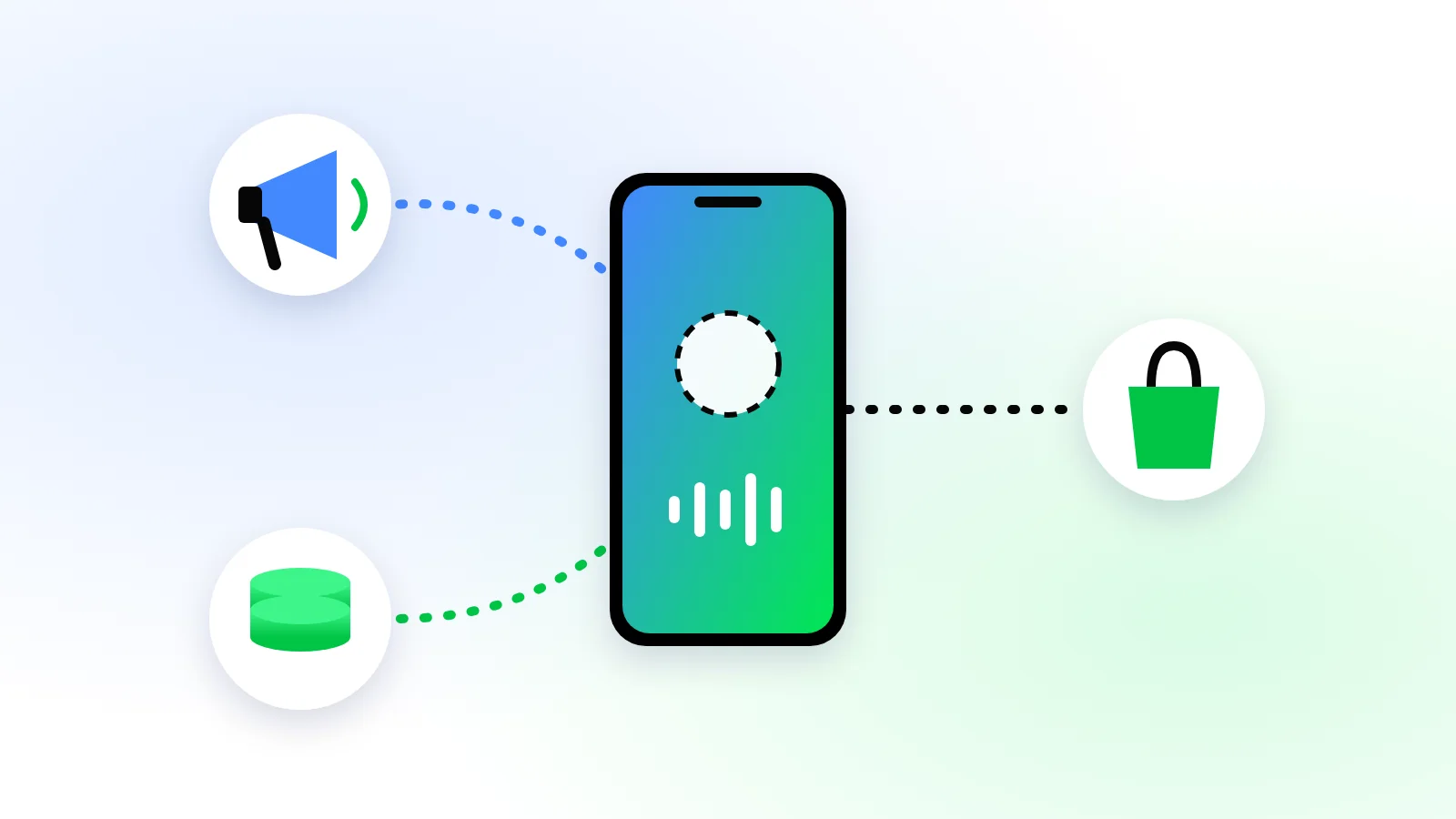 A faceless page can earn from brand deals, its own products and payment per 1,000 views.
What should your first 30 days look like?
Your first 30 days on a faceless page are for finding a format that holds attention, not for earning. A simple plan:
| Days | Do | Check |
|---|---|---|
| 1 to 3 | Set up the account, logo, bio and 10 ideas | The page explains itself in one look |
| 4 to 14 | Post 8 to 10 original videos in one format | Which videos were watched to the end |
| 15 to 21 | Make 5 more in the best format; join a clipping campaign that fits your niche | Whether new viewers find you through Explore or the Shorts feed |
| 22 to 30 | Keep posting; reply to every comment; save comment questions as new ideas | Account Status on Instagram shows no recommendation problem |
Mistakes that stall faceless pages
- Reposting viral videos with a credit line. Instagram says a credit in the caption is not enough, and YouTube says permission does not fix reused content.
- Leaving another app's watermark on the video. Instagram does not recommend content with visible watermarks.
- Using the same template with the same voice for every video. YouTube calls that inauthentic content and will not monetise it.
- Buying followers or joining view groups. Fake views break clipping campaign rules too; Musubi's terms suspend accounts that use bots or view exchange groups and forfeit pending earnings.
- Paying for a "faceless income" course before posting once. Free tools and the platforms' own help pages teach everything above. Our guide on spotting a clipping scam lists the red flags.
- Expecting money in month one. Treat the first month as practice and the first earnings as a bonus.
Questions creators ask
Can I earn from Instagram without showing my face?
Yes. Instagram's originality rules ask for your own work or perspective, not your face, so a page can be built on text, voiceover, hands or screen recordings. What decides your reach is originality: Instagram stops recommending accounts that mostly post other people's content. A faceless page that makes its own videos can earn through brand deals, affiliate links, its own products and clipping campaigns.
Is a faceless page legal in India?
Yes. Not showing your face is a choice about how you film, and the platform rules quoted in this guide judge what you post, not who appears in it. What can make a page illegal is its content: posting films, matches or other creators' videos without the owner's permission is copyright infringement, and India has no fair use. Post what you make, or what the owner allows.
Can a faceless YouTube Shorts channel get monetised?
Yes, if its videos are original. YouTube's reused content and inauthentic content policies refuse channels built from compilations, reposts, slideshows or templated AI videos, even with permission. A faceless channel with its own scripts, voice and edits can apply once it reaches 1,000 subscribers and 10 million Shorts views in 90 days for ad revenue, or 500 subscribers and 3 million Shorts views in 90 days for fan funding.
How many followers does a faceless page need to start earning?
It depends on the route. Affiliate links and your own products work from zero followers, though sales need an audience. Instagram Gifts open at 500 followers. Brand deals start when a brand wants your audience. Clipping campaigns on Musubi have no follower minimum, because brands pay per 1,000 approved views, so a small page whose clip does well earns the same rate.
Which is better for a faceless page, Instagram Reels or YouTube Shorts?
Start on the platform where you already watch the most, since you will understand what works there. Instagram is stricter on reach for reposted content, and YouTube is stricter on who earns ad money. Clipping campaigns on Musubi pay on both, so you can add the second platform once you have about 20 videos you are proud of.
Start earning
Join a live campaign, get accepted, post your clip, and get paid for the views it gets.
See live campaigns